Expert Advice4 min readOctober 02, 2026
How to Prepare for Your Child’s Face-to-Face Diagnostic Assessment
Helping your child feel confident, relaxed and ready for their upcoming face-to-face assessment.
Emma Hughes
Director Share

A face-to-face diagnostic assessment is a positive step towards understanding your child's unique learning profile and how they learn best. With a little preparation beforehand, you can help your child feel comfortable and confident, allowing the assessor to gain the most accurate picture of their strengths and areas of difficulty.
Before the Assessment
Talk positively about the assessment
Explain that the assessment is not a test that they can pass or fail. It is simply an opportunity to understand how they learn and identify the support that may help them succeed.
Answer their questions honestly
Encourage your child to ask questions and reassure them that the assessor is there to help, not to judge. It is perfectly normal for them to feel a little nervous.
Ensure a good night's sleep
A good night's sleep helps concentration, attention and memory. Keeping bedtime routines relaxed and consistent in the days before the assessment can make a real difference.
Have a healthy breakfast
A balanced breakfast helps your child remain focused and energised throughout the assessment.

Dress comfortably
Choose comfortable clothing and footwear so your child feels relaxed and able to concentrate.
On the Day
Plan your journey
Allow plenty of time to travel so that you arrive calmly without feeling rushed.
Bring a drink and snack
Short breaks are offered during the assessment, so a bottle of water and a small snack are useful.
Bring glasses if needed
If your child normally wears glasses for reading or distance, please remember to bring them.
Visit the toilet before starting
This helps your child feel comfortable throughout the assessment.
During the Assessment

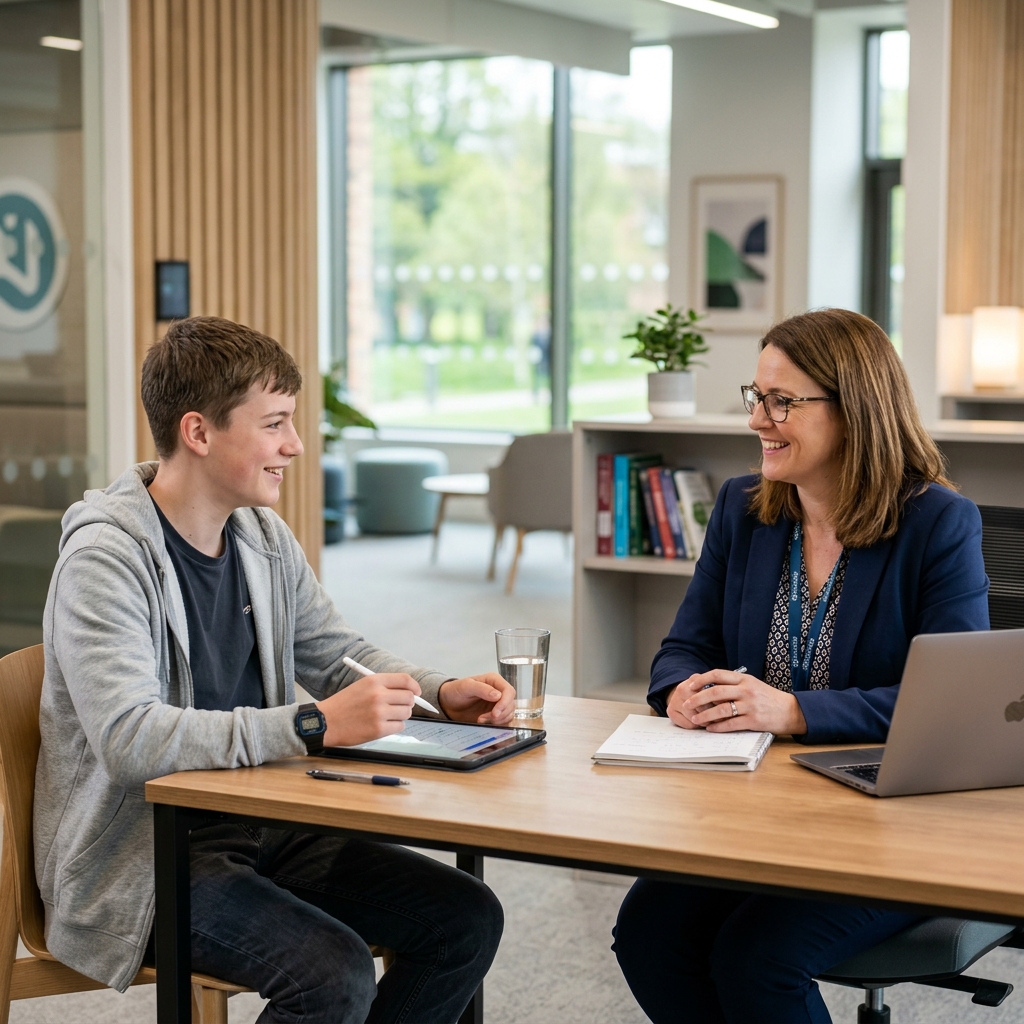
Parents and carers are welcome to remain in the waiting area throughout the assessment. To ensure the assessment remains standardised and accurately reflects your child's own abilities, the assessment is completed independently with the assessor. Regular breaks are provided and your child will be encouraged to work at a pace that is comfortable for them. They are not expected to know every answer, and some tasks are deliberately challenging.
After the Assessment
At the end of the appointment, the assessor will discuss the next steps and explain when the report will be ready. Sometimes it is possible to give an indication of the likely outcome on the day, although all assessment information must first be carefully reviewed before any diagnostic decision is confirmed. You will receive a comprehensive diagnostic report containing personalised recommendations and, where appropriate, reasonable adjustments to support your child at home and in education.
Final Thoughts
A diagnostic assessment is designed to identify your child's strengths as well as the areas in which they may need additional support. Your encouragement and reassurance before the appointment can help your child approach the assessment feeling calm, confident and ready to do their best.
Emma Hughes
AuthorDirector
Specialist educational assessor dedicated to empowering individuals with dyslexia, dyscalculia, and neurodivergent profiles through comprehensive diagnostic assessments.
Read Next

Dyslexia Info
4 min readOctober 01, 2026
Understanding Specific Learning Difficulties (SpLDs)
Learn about Specific Learning Difficulties (SpLDs) including dyslexia and dyscalculia. Discover the signs and how expert diagnostic assessments can help.

Expert TeamSpecialist

Assessments
6 min readOctober 02, 2026
Preparing for Your Remote Diagnostic Assessment
Everything you need to know before your online appointment to ensure it runs smoothly and accurately.
Expert TeamSpecialist