Assessments6 min readOctober 02, 2026
Preparing for Your Remote Diagnostic Assessment
Everything you need to know before your online appointment to ensure it runs smoothly and accurately.
Expert Team
Specialist Share
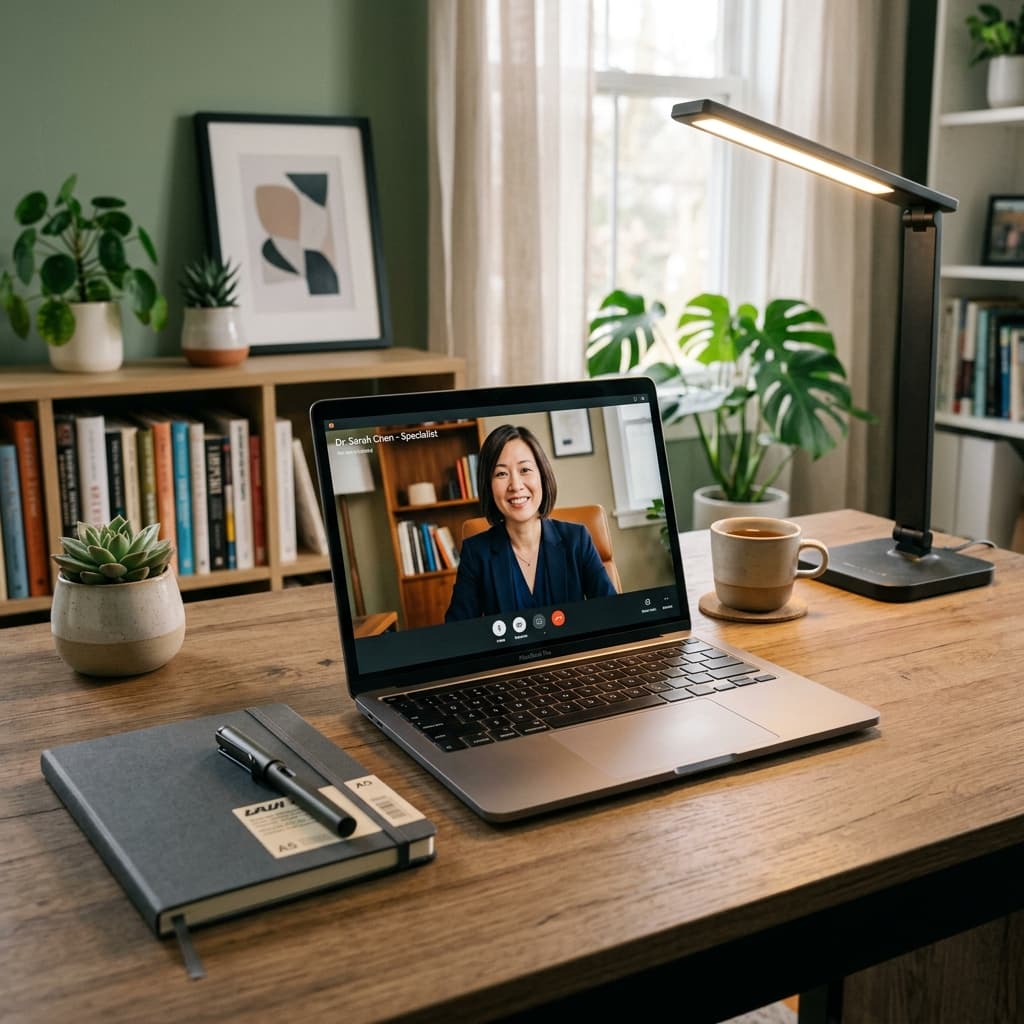
Attending a diagnostic assessment from home is convenient, comfortable and allows the assessment to be completed without the need to travel. The assessment is conducted live with a specialist assessor using Zoom and follows the same professional standards as a face-to-face assessment.
With a little preparation beforehand, you can ensure everything runs smoothly and that the assessment provides the most accurate picture of your strengths and areas of difficulty.
Your assessment environment
Choose a quiet room where you will not be interrupted throughout the assessment.
You must be the only person in the room during testing. Family members (unless agreed in advance), friends and pets should not be present, as even small distractions can affect assessment performance.
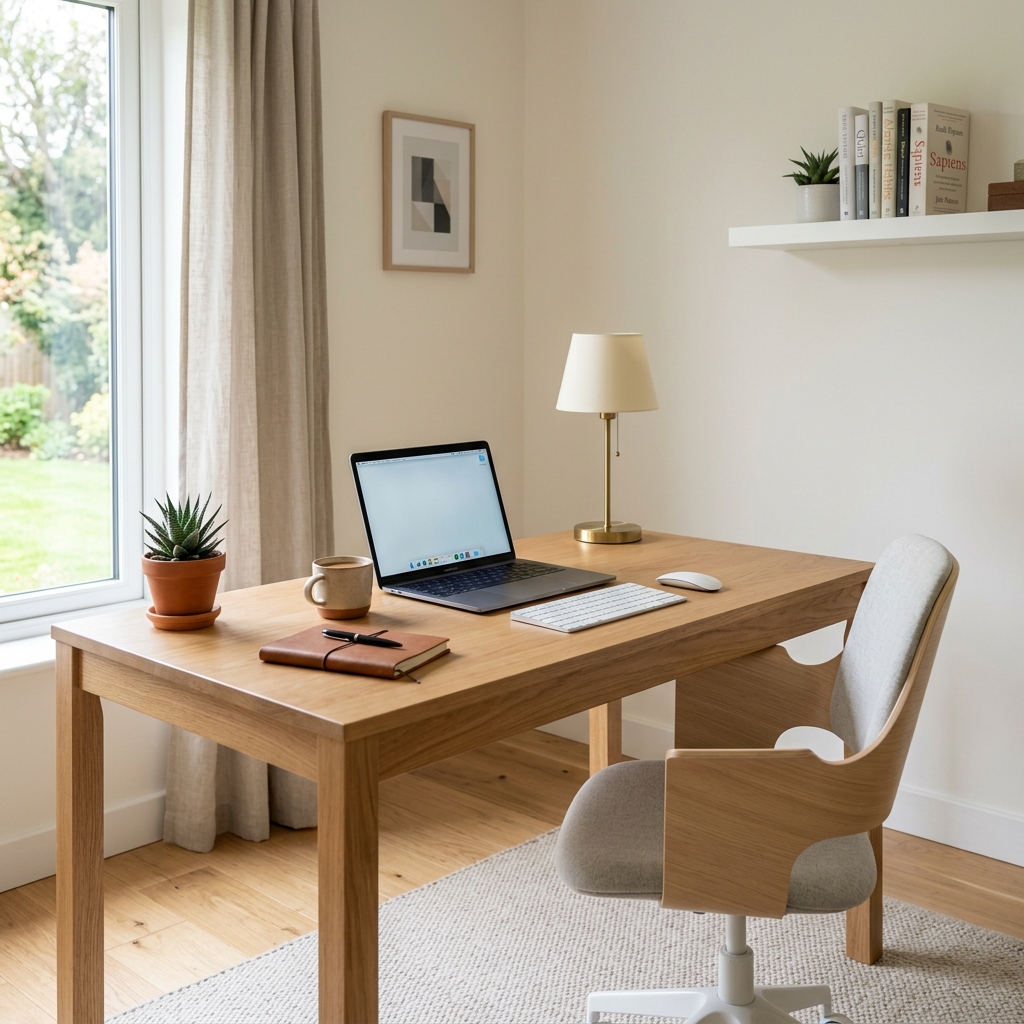
If you live with other people, it is helpful to let them know you are completing an assessment and ask them not to disturb you. Placing a sign on the door can also be useful.
Your computer or laptop
The assessment must be completed using a desktop computer or laptop.
Your screen should measure at least 15 inches (38 cm) diagonally to ensure that assessment materials can be viewed clearly.
A stable internet connection is essential. If possible, connect your computer directly to your router using an Ethernet cable. If you are using Wi-Fi, try to sit as close to the router as possible.
If your computer does not have a built-in webcam, you will need to connect an external webcam before the assessment.
Audio and video
Your assessor needs to be able to see and hear you clearly throughout the assessment.
Position your webcam so that your face and upper body are clearly visible.
A headset with a built-in microphone often provides the best sound quality, although this is not essential if your computer microphone works well.
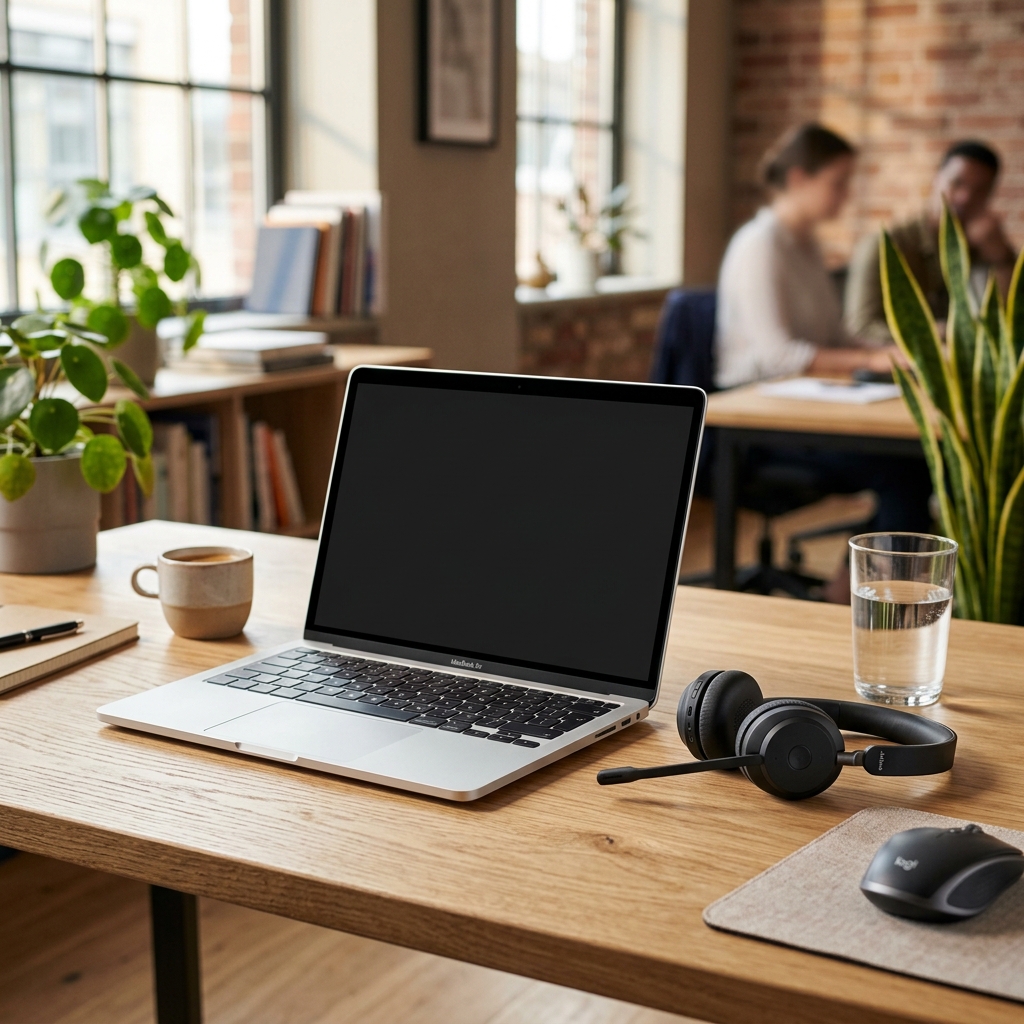
Before the appointment, test your webcam, speakers and microphone to ensure everything is working correctly.
Preparing your workspace
You should have:
- several pens or pencils
- plain A4 paper or a writing pad
- a bottle of water or another soft drink
- your glasses if you normally wear them.
Your mobile phone should be switched to silent. You may need it briefly during the assessment to photograph some written work, but it should not remain beside you during testing.
Installing Zoom
Your assessment is conducted using Zoom.
Please download and install Zoom before your appointment and check that you know how to join a meeting.
Taking a few minutes to test your camera, microphone and speakers beforehand can help avoid unnecessary delays on the day.
During the assessment

A full remote diagnostic assessment usually lasts around three hours, although some assessments may take a little longer depending on the assessment being completed and individual circumstances.
There is no expectation that you work continuously. Regular breaks are offered throughout the session, and you are encouraged to take as many as you need.
If fatigue becomes an issue, it may be possible to complete the assessment over two appointments.
What happens after the assessment?
At the end of the assessment, your assessor will explain the next steps.
Sometimes it is possible to discuss the likely outcome immediately. However, because all assessment information must be carefully reviewed and interpreted, this is not always possible.
Your assessment results are analysed alongside your background information, observations and assessment performance before a diagnostic decision is made.
You will then receive a comprehensive diagnostic report explaining the findings, together with personalised recommendations and, where appropriate, reasonable adjustments to support education, employment and everyday life.
Final thoughts
Remote diagnostic assessments provide the same high standard of professional assessment as face-to-face appointments while allowing you to remain in the comfort of your own home.
Taking a little time to prepare your environment and equipment beforehand helps ensure the assessment runs smoothly and allows your assessor to obtain the most accurate understanding of your learning profile.
If you have any questions before your appointment, please do not hesitate to get in touch. We are always happy to help.
Expert Team
AuthorSpecialist
Specialist educational assessor dedicated to empowering individuals with dyslexia, dyscalculia, and neurodivergent profiles through comprehensive diagnostic assessments.
Read Next

Dyslexia Info
4 min readOctober 01, 2026
Understanding Specific Learning Difficulties (SpLDs)
Learn about Specific Learning Difficulties (SpLDs) including dyslexia and dyscalculia. Discover the signs and how expert diagnostic assessments can help.

Expert TeamSpecialist

Expert Advice
4 min readOctober 02, 2026
How to Prepare for Your Child’s Face-to-Face Diagnostic Assessment
Helping your child feel confident, relaxed and ready for their upcoming face-to-face assessment.
Emma HughesDirector