Dyslexia Info4 min readOctober 01, 2026
Understanding Specific Learning Difficulties (SpLDs)
Learn about Specific Learning Difficulties (SpLDs) including dyslexia and dyscalculia. Discover the signs and how expert diagnostic assessments can help.
Expert Team
Specialist Share
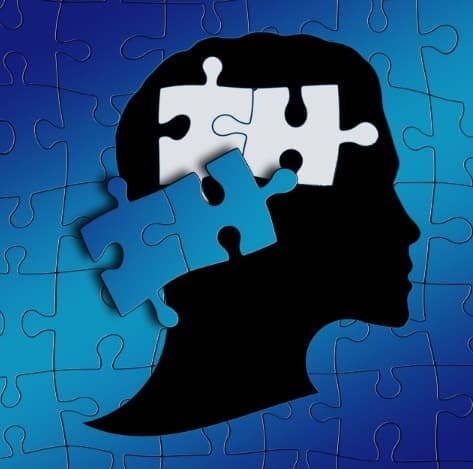
Many people know the terms dyslexia and dyscalculia, but fewer understand what they mean. Dyslexia and dyscalculia are Specific Learning Difficulties (SpLDs).
What are Specific Learning Difficulties?
SpLDs are recognised neurodevelopmental differences that affect the way the brain processes information. They are unrelated to intelligence, and with the right support people can thrive in education, employment and everyday life.
SpLDs affect particular areas of learning rather than overall ability. Every individual has a unique profile of strengths and challenges. The most common SpLDs are dyslexia and dyscalculia, although some people also experience overlapping attention, executive functioning, social and communication, and/or motor coordination difficulties. It is important to look at the entire individual to understand their needs.
What is dyslexia?
Dyslexia primarily affects reading, spelling and written language. Reading may be slow and effortful, spelling may remain inconsistent, and writing can require considerably more effort than expected. Early identification and tailored interventions are key to unlocking reading fluency.

What is dyscalculia?
Dyscalculia affects the understanding and processing of numbers. It can influence number sense, calculations, estimating, time, money and other everyday numerical tasks. Individuals with dyscalculia often need specialized, structured approaches to grasp mathematical concepts.

Do these difficulties occur together?
Yes. Many people have more than one area of difficulty. Dyslexia and dyscalculia can occur alongside attention, concentration or motor coordination differences, creating a unique learning profile.

Why is a diagnostic assessment important?
A comprehensive assessment identifies both strengths and difficulties. It explains why someone experiences particular challenges and provides tailored recommendations for support and reasonable adjustments. Without a proper diagnostic assessment, appropriate support strategies are often missed.
Every profile is different
No two people with dyslexia or dyscalculia are exactly alike. Assessment focuses on the whole individual rather than a checklist of symptoms.
Final thoughts
Specific Learning Difficulties do not define potential. Understanding how a person learns is the first step towards building confidence and achieving success.
Think you or your child may have dyslexia or dyscalculia? Then contact The Dyslexia Experts to arrange a comprehensive diagnostic assessment and receive personalised recommendations.
Expert Team
AuthorSpecialist
Specialist educational assessor dedicated to empowering individuals with dyslexia, dyscalculia, and neurodivergent profiles through comprehensive diagnostic assessments.
Read Next

Assessments
6 min readOctober 02, 2026
Preparing for Your Remote Diagnostic Assessment
Everything you need to know before your online appointment to ensure it runs smoothly and accurately.

Expert TeamSpecialist

Expert Advice
4 min readOctober 02, 2026
How to Prepare for Your Child’s Face-to-Face Diagnostic Assessment
Helping your child feel confident, relaxed and ready for their upcoming face-to-face assessment.
Emma HughesDirector