Expert Advice6 min readOctober 02, 2026
Preparing for Your Diagnostic Dyslexia Assessment
What to expect before, during and after your diagnostic dyslexia assessment, with practical guidance to help you feel prepared.

Cherrida Crew
Specialist SpLD Assessor Share

A diagnostic dyslexia assessment can be an important step towards understanding more about the way you learn and process information. Whether the assessment is being undertaken for university, employment or personal reasons, knowing what to expect can help make the experience feel more comfortable.
There is no need to revise or prepare for any of the assessment activities. The aim is to obtain an accurate picture of your strengths and areas of difficulty.
Before the Assessment
Complete the questionnaires
Before the assessment, there will usually be some questionnaires to complete. These provide important background information about education, previous difficulties, current circumstances and any support you have received.
It is helpful to provide as much information as possible. However, there is no need to worry if you cannot remember exact dates, school information or details from many years ago.
Think about previous experiences
It can be useful to think about your experiences of reading, writing, spelling and learning, both currently and in the past.
Some adults remember finding particular aspects of school difficult, while others only become aware of difficulties later, perhaps when starting university, undertaking professional training or taking on greater responsibilities at work. Information about these experiences helps the assessor understand whether any difficulties have been longstanding.
Gather any relevant documents
If available, previous assessment reports, school reports, examination access arrangement information or other relevant documents can provide useful background information.
Do not worry if these are no longer available. Many adults attending a diagnostic assessment do not have records from their school years.
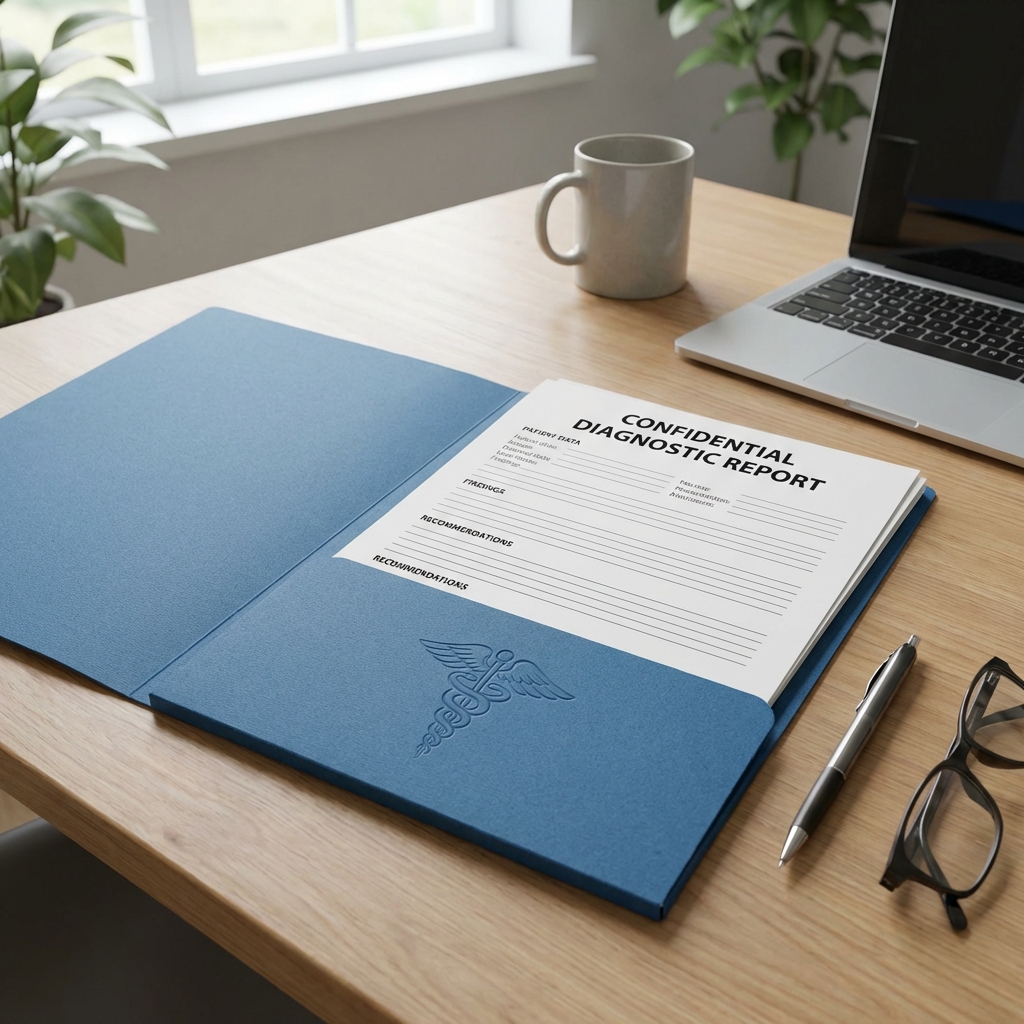
Arrange an eye test if necessary
Visual difficulties do not cause dyslexia, but uncorrected visual problems can affect reading and other assessment activities.
An up-to-date eye examination is therefore recommended. Bring your glasses to the assessment if you normally wear them for reading, computer work or other close activities.
Do not practise beforehand
There is no need to practise reading, spelling, memory exercises or any other activities before the assessment.
A diagnostic assessment is designed to identify your current profile. The assessor needs to see how you approach tasks naturally rather than following additional practice immediately beforehand.
There is nothing to revise and nothing to prove. The assessment is designed to understand your individual learning profile, not to test whether you can pass or fail.
Rest and eat beforehand
A full diagnostic assessment requires sustained concentration and can be tiring. A good night’s sleep can help with attention, memory and stamina.
Having something to eat before the appointment can help maintain concentration and energy. It is also a good idea to bring a drink and a small snack, particularly as the assessment may last around three hours.
On the Day
- Allow plenty of time: Plan for travelling and parking so the assessment does not begin with the added pressure of feeling rushed.
- Dress comfortably: There is no need to dress formally. Comfortable clothing can help make the session feel more relaxed.
- Bring glasses if needed: Remember any glasses normally worn for reading or other close work.
- Bring a drink and snack: Regular opportunities for breaks will be provided, and refreshments can be useful during them.
During the Assessment
A diagnostic dyslexia assessment involves a range of different activities. It is not simply a reading and spelling test.
The assessment explores different aspects of your cognitive and literacy profile. Activities may examine areas such as reasoning, vocabulary, memory, phonological processing and processing speed, alongside reading, spelling and writing.

Some activities may feel straightforward, while others may be more challenging. This is completely normal. The assessor needs to identify both strengths and areas of difficulty to understand the overall pattern of performance.
There is no pass or fail, and there is no expectation that every answer will be correct.
Take breaks when needed
A full assessment involves sustained concentration. Regular breaks will be offered, but you can also request additional breaks if needed.
Ask if something is unclear
If you have not understood an instruction, it is fine to ask the assessor to repeat or clarify it where the assessment rules allow.
Do not worry about making mistakes
Mistakes are an important part of the assessment process. The assessor is interested not only in whether an answer is correct but also in how you approach different activities, the strategies you use and the types of difficulties you encounter.
Trying to hide difficulties or compensate for them during the assessment can make it harder to obtain a representative picture. The best approach is simply to complete each activity as naturally as possible.
After the Assessment
Following the assessment, the findings will be discussed in detail and there will be an opportunity to ask questions.
The assessor will consider the assessment results alongside the background information provided before reaching a diagnostic conclusion.
A detailed written diagnostic report will then explain your profile and include personalised recommendations based on the findings.

Where appropriate, recommendations may relate to study, examinations, higher education, the workplace or everyday strategies.
For individuals progressing to or already studying in higher education, an appropriate diagnostic report can also be used as evidence when applying for Disabled Students’ Allowance.
Final Thoughts
For some adults, having a diagnostic dyslexia assessment is the first opportunity they have had to understand difficulties that may have been present since childhood.
Others may already recognise many characteristics associated with dyslexia but require a formal assessment to understand their individual profile or access appropriate support.
Whatever the reason for seeking an assessment, the assessment is an opportunity to understand how you process information, recognise areas of strength, identify areas in which additional support may be helpful and develop a clearer understanding of your own learning profile.
The most useful preparation is simply to arrive rested, comfortable and ready to approach the activities naturally.
Cherrida Crew
AuthorSpecialist SpLD Assessor
Specialist educational assessor dedicated to empowering individuals with dyslexia, dyscalculia, and neurodivergent profiles through comprehensive diagnostic assessments.
Read Next

Dyslexia Info
4 min readOctober 01, 2026
Understanding Specific Learning Difficulties (SpLDs)
Learn about Specific Learning Difficulties (SpLDs) including dyslexia and dyscalculia. Discover the signs and how expert diagnostic assessments can help.

Expert TeamSpecialist

Assessments
6 min readOctober 02, 2026
Preparing for Your Remote Diagnostic Assessment
Everything you need to know before your online appointment to ensure it runs smoothly and accurately.
Expert TeamSpecialist